
Popular Woodpecker Control Products To Safeguard Your Home
Discover highly recommended products that provide reliable woodpecker deterrence and prevent costly repairs.
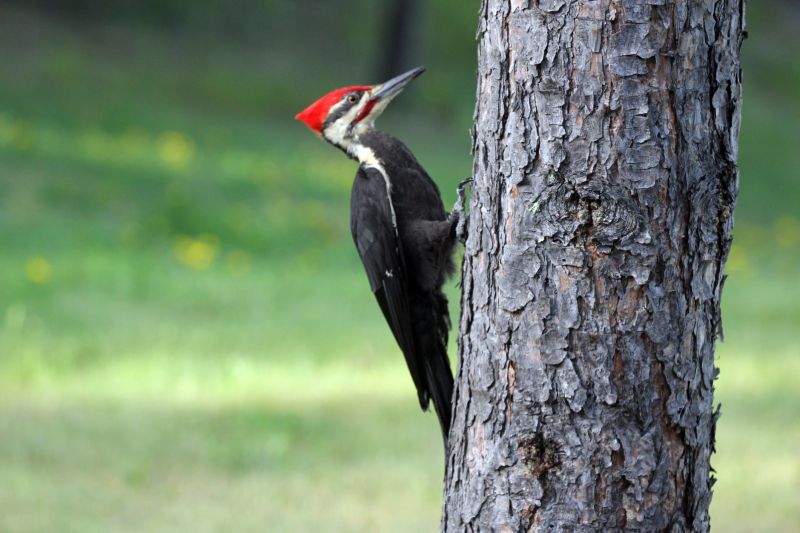 Effective control of woodpecker activity often requires a combination of deterrents and physical barriers. Various products are designed to discourage woodpeckers from damaging structures, trees, or other property. These products typically aim to modify the birds' environment or behavior, making the area less attractive or accessible. When selecting products for woodpecker control, it is important to consider the specific situation, such as the location, extent of damage, and the type of structure involved.
Top Overall Option
Ultrasonic Bird Repeller
An ultrasonic bird repeller emits high-frequency sounds that are inaudible to humans but can be unsettling for woodpeckers. These devices are designed to cover a broad area and can be a humane way to deter birds without causing harm. They often come with adjustable settings to customize the frequency and coverage, making them suitable for different environments. Regular repositioning and maintenance are recommended to maintain their effectiveness.
Types of Products For Woodpecker Controls
Reflective Tape
Reflective tapes create visual disturbances through flashing and shimmering effects, which can deter woodpeckers from pecking at surfaces.
Holographic Bird Diverters
Holographic diverters use light-reflecting surfaces to create a moving, shiny appearance that discourages birds from approaching.
Sound Repellers
Devices that emit distress calls or predator sounds to scare woodpeckers away from targeted areas.
Metal Flashing
Metal strips or sheets installed on surfaces to create a reflective, unstable surface that discourages pecking.
Bird Netting
Physical barriers that prevent access to specific areas, such as eaves or tree trunks, effectively blocking woodpecker entry.
Motion-Activated Sprinklers
Sprinklers that activate upon detecting movement, startling woodpeckers and preventing damage.
Decoys and Predators
Fake owls, hawks, or other predators placed in strategic locations to scare away woodpeckers.
Ultrasonic Deterrents
Devices emitting ultrasonic sounds designed to be uncomfortable for woodpeckers, encouraging them to relocate.
Vibrating Devices
Devices that produce vibrations on surfaces to make the environment less appealing to woodpeckers.
Sticky Repellents
Non-toxic sticky substances applied to surfaces to discourage pecking by making the surface unpleasant.
LED Flashing Lights
Bright, flashing LED lights can create visual disturbances that deter woodpeckers during daytime.
Ultraviolet Light Devices
Devices that emit ultraviolet light to create visual effects that can be unsettling for certain bird species.
Wind Chimes
Noisy wind chimes can serve as auditory deterrents, creating unpredictable sounds that discourage birds.
Brightly Colored Flags
Colorful flags or streamers that flutter in the wind, providing visual cues to deter nesting or pecking.
Ultrasound Bird Repellers
Devices that produce high-frequency sounds targeted at deterring woodpeckers without disturbing humans.
Popular Choices
A widely used visual deterrent, reflective tape is easy to install and can be repositioned as needed to deter woodpecker activity.
These shiny, moving holographic devices are popular for their ease of use and visual appeal in deterring birds.
Electronic devices that emit bird distress or predator sounds are commonly employed to reduce woodpecker presence.
Effective for protecting specific areas like eaves or tree trunks, netting remains a popular physical barrier option.
Popular for their humane approach, these sprinklers activate upon movement, startling the birds effectively.
Fake owls or hawks remain common choices for their simplicity and immediate visual impact.
Ultrasonic devices are favored for their silent operation and ability to cover large areas.
These devices are gaining popularity for their ability to create surface vibrations that discourage pecking.
Flags with vibrant colors are often used in combination with other deterrents to enhance effectiveness.
Many deterrent devices utilize visual or auditory stimuli to scare or dissuade woodpeckers. These can include reflective tapes, holographic tapes, or noise-making devices that produce sounds intended to startle or unsettle the birds. Physical barriers like metal flashing or netting can also be effective in preventing access to vulnerable areas. Additionally, some products employ motion-activated features that trigger sounds or movements when birds are detected nearby.
Choosing the right products often involves understanding the behavior patterns of woodpeckers. For example, certain species are more sensitive to visual disturbances, while others respond better to sound-based deterrents. Combining multiple methods can enhance effectiveness, but it is essential to use products that are humane and safe for both the birds and humans. Regular maintenance and repositioning of deterrents may be necessary to ensure continued effectiveness over time.
Overall, a strategic approach that incorporates various products tailored to the specific problem can help mitigate woodpecker damage. Consulting with professionals or conducting thorough research can provide additional insights into the most suitable solutions for individual situations. The goal is to find humane, effective, and durable products that can help protect property while respecting wildlife.
Key Buying Considerations
- Effectiveness for specific bird species and behaviors
- Area coverage and size of the space needing protection
- Humane and safe options for wildlife and humans
- Ease of installation and maintenance requirements
- Durability and weather resistance of the product
- Compatibility with existing deterrent methods
- Adjustability of sound, light, or visual effects
- Repositioning flexibility for changing bird activity patterns
- Cost-effectiveness and long-term value
- Environmental impact and safety standards
- User reviews and product ratings for real-world feedback
- Availability of replacement parts or accessories
- Compatibility with outdoor or indoor applications
- Power source requirements and energy efficiency
- Legal considerations and local wildlife regulations
This page contains affiliate links. We may earn a commission from qualifying purchases, which helps us provide helpful content and recommendations.