Optimal Timing for Woodpecker Control
Effective woodpecker control is essential for protecting structures, trees, and surrounding landscapes. Timing plays a crucial role in ensuring successful management of woodpecker activity. Understanding seasonal patterns and behavioral tendencies can help determine the optimal periods for intervention.
Woodpeckers are most active during spring when they search for nesting sites and food sources, making this an ideal time for control measures.
In fall, woodpeckers focus on feeding to prepare for winter, which can increase damage to trees and structures.
Continuous monitoring helps identify early signs of activity, allowing for timely control efforts regardless of season.
Intervening outside of breeding seasons minimizes disturbance and enhances control effectiveness.
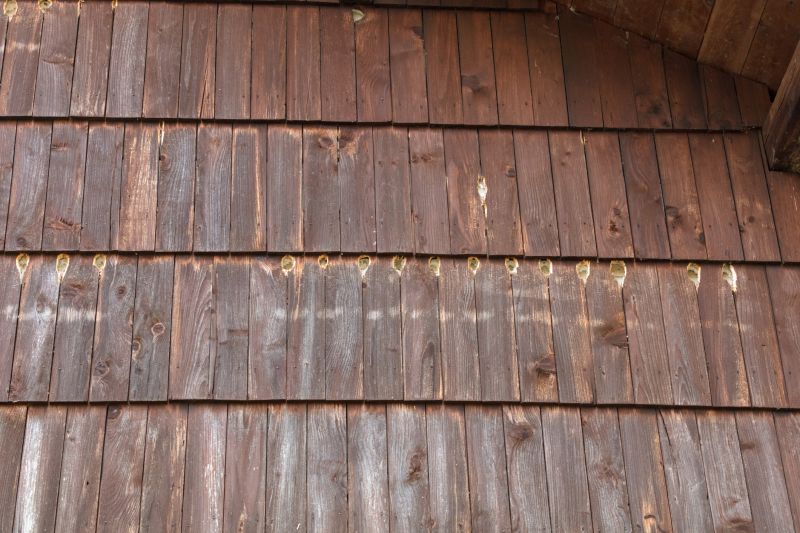
Ways to make Woodpecker Controls work in tight or awkward layouts.
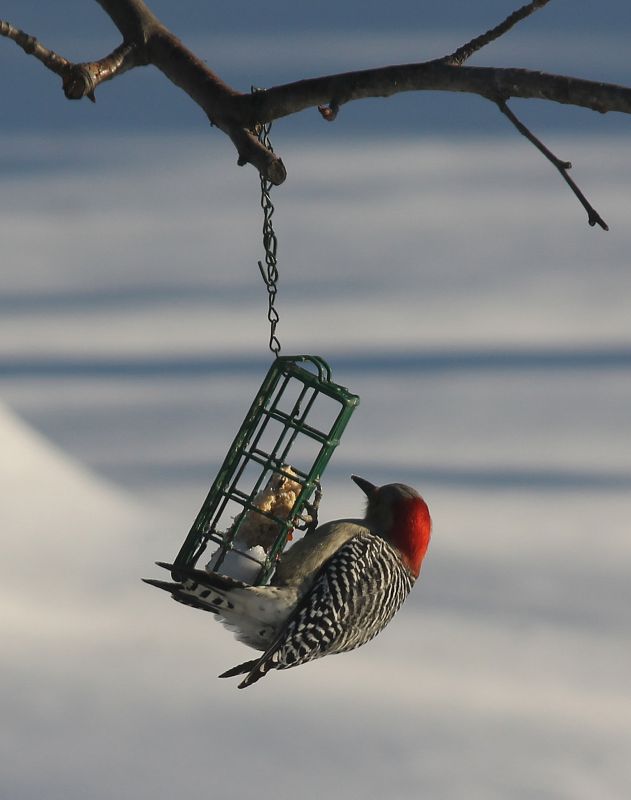
Popular materials for Woodpecker Controls and why they hold up over time.
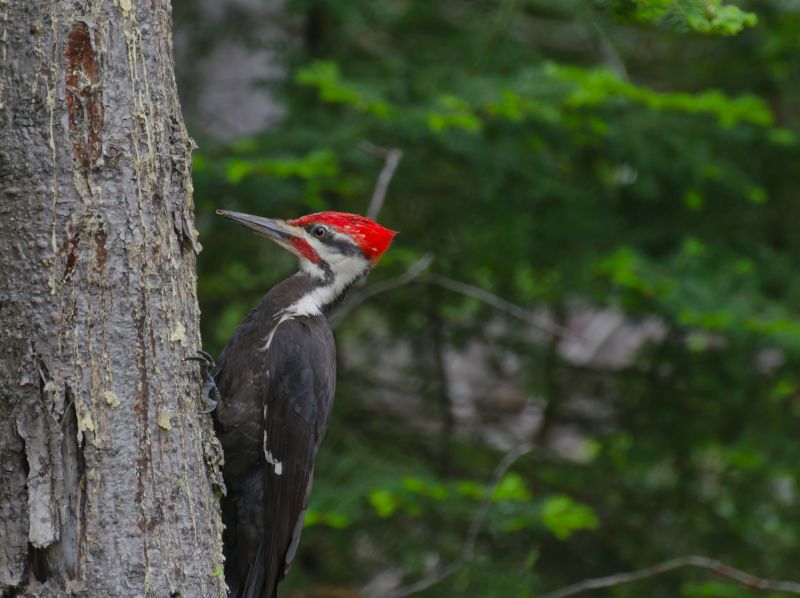
Simple add-ons that improve Woodpecker Controls without blowing the budget.

High-end options that actually feel worth it for Woodpecker Controls.
| Season | Key Activity |
|---|---|
| Spring | Nesting and territory establishment |
| Summer | Feeding and rearing young |
| Fall | Feeding to prepare for winter |
| Winter | Reduced activity, maintenance period |
Woodpecker controls involve various methods to reduce damage caused by these birds. Techniques include installing deterrents, modifying habitat features, and using physical barriers. The timing of these interventions is critical for maximizing effectiveness and minimizing bird disturbance.
Statistics indicate that peak woodpecker activity aligns with specific seasonal behaviors, with increased damage reported during spring and fall. Properly timed control efforts can significantly reduce structural damage and preserve landscape integrity.
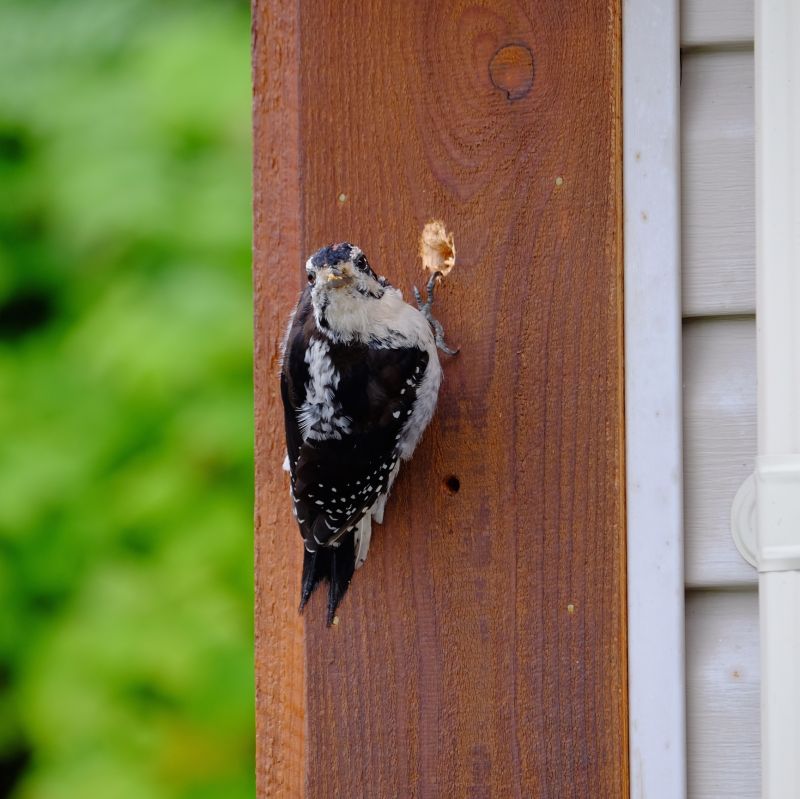
Finishes and colors that play nicely with Woodpecker Controls.

Little measurements that prevent headaches on Woodpecker Controls day.
For those seeking effective woodpecker control, understanding seasonal behaviors and implementing timely measures can reduce damage and disturbance. Contacting professionals for tailored strategies ensures optimal results.