Get Termite Inspection Service
Termite inspection services help property owners identify and address termite infestations, protecting homes and structures during repair or prevention projects with local contractors.
If you're a property owner in the area considering the health and longevity of your building, a comprehensive termite inspection is an important step. Detecting termite activity early can help prevent costly damage and preserve the integrity of your property. Many local contractors offer specialized inspection services designed to identify signs of infestation and assess potential risks, making it easier to plan maintenance or future projects with confidence.
Exploring options for termite inspection services allows property owners to compare approaches and find the right professional for their needs. Whether you're preparing for a renovation, purchasing a new property, or simply want to ensure ongoing protection, connecting with experienced local service providers can provide the insights needed to make informed decisions. Keep reading to learn more about how these services can support your property management goals.
- Residential properties - homeowners may need a termite inspection when buying, selling, or maintaining their home.
- Commercial buildings - businesses often require inspections to prevent or address termite infestations that could impact operations.
- New construction sites - builders and developers might seek inspections to ensure the absence of termite activity before proceeding.
- Historical or older structures - owners of vintage buildings may request inspections to identify potential termite damage or risks.
- Infestation concerns - property owners suspect termite activity and want a professional assessment to confirm or rule out an infestation.


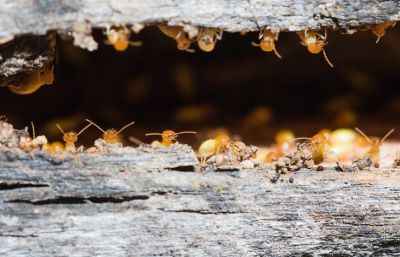
Termite inspection services involve a thorough examination of a property to identify the presence of termites or signs of previous infestations. Trained service providers use specialized tools and techniques to inspect areas where termites are most likely to hide, such as the foundation, crawl spaces, wood structures, and exterior walls. The goal is to detect any activity early before significant damage occurs, helping homeowners maintain the integrity of their property and avoid costly repairs down the line. Regular inspections are especially recommended for properties in regions where termites are prevalent or for homes that have experienced previous issues.
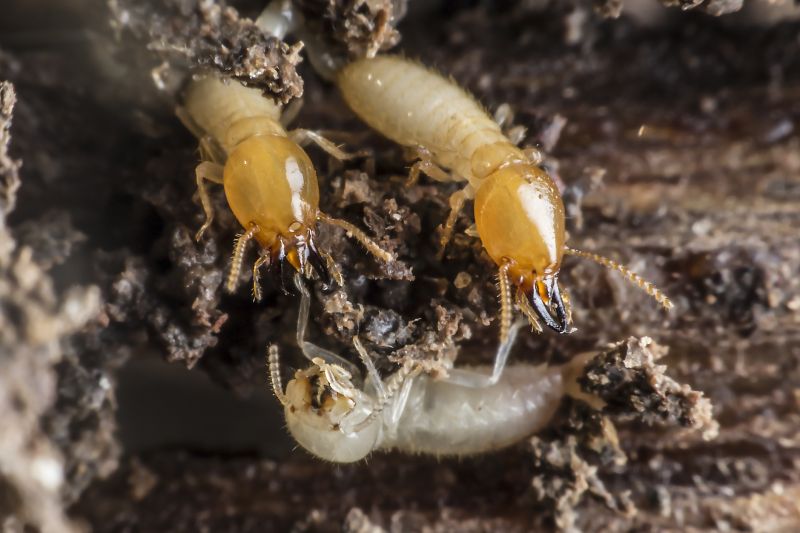
These services are essential for resolving common problems associated with termite activity, including structural damage to wood framing, flooring, and furniture. Termites feed on cellulose-based materials, which makes wood and paper products vulnerable. If left unchecked, an infestation can compromise the stability of a building, create unsightly damage, and diminish property value. An inspection can help identify active infestations or conditions conducive to future problems, allowing homeowners to take preventative or remedial action before the damage becomes extensive.
Termite inspection services are typically used for a variety of property types, including single-family homes, multi-unit residential buildings, and commercial structures. New property buyers often schedule inspections as part of the purchasing process to ensure the property is free of termites. Homeowners with older homes or those in areas with known termite activity may also seek regular inspections to monitor and protect their investments. Property managers and landlords may utilize these services to maintain the condition of rental units, preventing widespread infestations across multiple units.
Homeowners should consider scheduling a termite inspection if they notice signs such as discarded wings, mud tubes along foundation walls, damaged wood, or unexplained hollow sounds when tapping on wood surfaces. Even in the absence of obvious signs, periodic inspections can help catch issues early, especially for properties with a history of termite activity or those located in high-risk areas. Engaging local service providers for professional inspections ensures a comprehensive assessment, providing peace of mind and a clear understanding of any potential termite-related concerns.
The overview below groups typical Termite Inspection Service projects into broad ranges so you can see how smaller, mid-sized, and larger jobs often compare in your area.
In many markets, a large share of routine jobs stays in the lower and middle ranges, while only a smaller percentage of projects moves into the highest bands when the work is more complex or site conditions are harder than average.
Smaller Repairs - Typically, minor termite repairs or inspections cost between $250 and $600 for many smaller jobs. These projects often involve localized treatment or damage assessment and are usually straightforward for local contractors. Costs can vary depending on the extent of the damage and property size.
Standard Inspection Services - A routine termite inspection generally ranges from $100 to $300, with many standard inspections falling in this middle band. Most homes and small commercial properties can expect to pay within this range, though prices may vary based on property size and location.
Full Treatment or Prevention Plans - Complete termite treatment or preventative services typically cost between $1,000 and $3,500. Larger or more complex properties can push costs higher, but many projects are completed within this range depending on the scope of work involved.
Full Replacement or Extensive Damage Repair - Larger, more involved projects such as full wood replacement or extensive damage repair can reach $5,000 or more. While these cases are less common, local service providers can handle such projects, with costs depending heavily on the extent of infestation and property size.
Actual totals will depend on details like access to the work area, the scope of the project, and the materials selected, so use these as general starting points rather than exact figures.
Wood Damage Inspection - Professionals assess existing wood structures for signs of pest activity, similar to termite inspections that identify potential infestations before damage occurs.
Pest Control Assessments - Local contractors evaluate properties for various pest issues, utilizing inspection skills and tools comparable to those used in termite detection.
Structural Damage Evaluation - Experts examine building integrity to identify signs of pest-related deterioration, requiring similar planning and inspection techniques as termite services.
Moisture and Leak Detection - Service providers use specialized tools to locate moisture issues that can attract termites, aligning with the investigative approach of termite inspections.
Foundation Inspection - Inspectors assess foundations for cracks or damage that may indicate pest activity, employing similar methods to termite detection processes.
Infestation Detection for Other Pests - Local pros identify signs of rodents, ants, or other pests, which involves inspection skills akin to those used in termite inspections.
When selecting a termite inspection service, it’s important to consider the experience of local contractors with similar projects. An established provider that has handled termite inspections in residential settings can be more familiar with common issues and effective detection methods. This familiarity can contribute to a thorough assessment, helping homeowners feel confident that potential infestations will be identified accurately and efficiently. Comparing how long different service providers have been working in the area and their history with projects like yours can provide insight into their expertise and reliability.
Clear, written expectations are essential when evaluating termite inspection services. Reputable local contractors should be able to outline what the inspection will include, what areas will be examined, and any follow-up steps if signs of termites are found. Having this information in writing helps ensure that both parties understand the scope of work and can prevent misunderstandings. It’s also helpful to ask for references or reviews from previous clients to verify that the provider consistently meets these expectations and delivers quality service.
Effective communication plays a key role in choosing the right termite inspection provider. Service providers who are responsive and transparent about their process tend to foster better working relationships and provide peace of mind. Homeowners should look for local contractors who are willing to answer questions, clarify procedures, and provide updates throughout the inspection process. Remember, this site introduces homeowners to local options that can handle the work; it does not perform the inspections itself. Comparing these aspects-experience, clear expectations, and communication-can help homeowners find a reputable professional suited to their needs.
Property owners use Termite Inspection Service services for practical projects around their homes and businesses. This guide focuses on everyday jobs and straightforward project options.
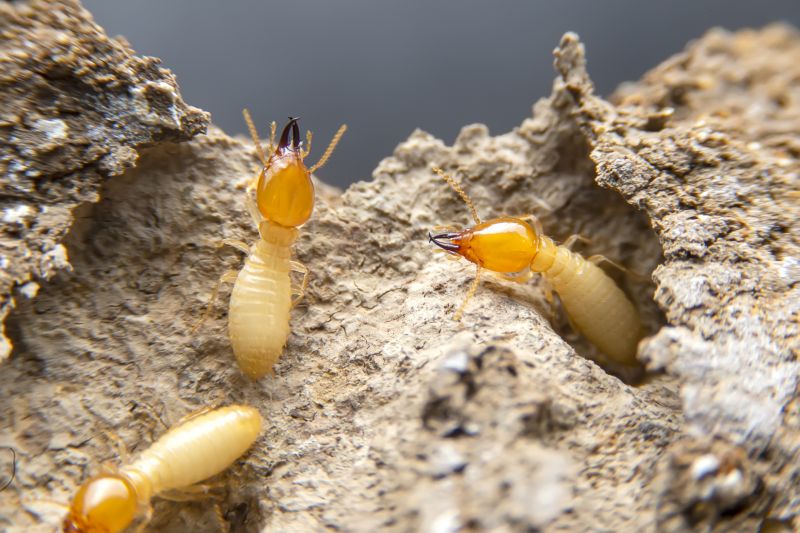
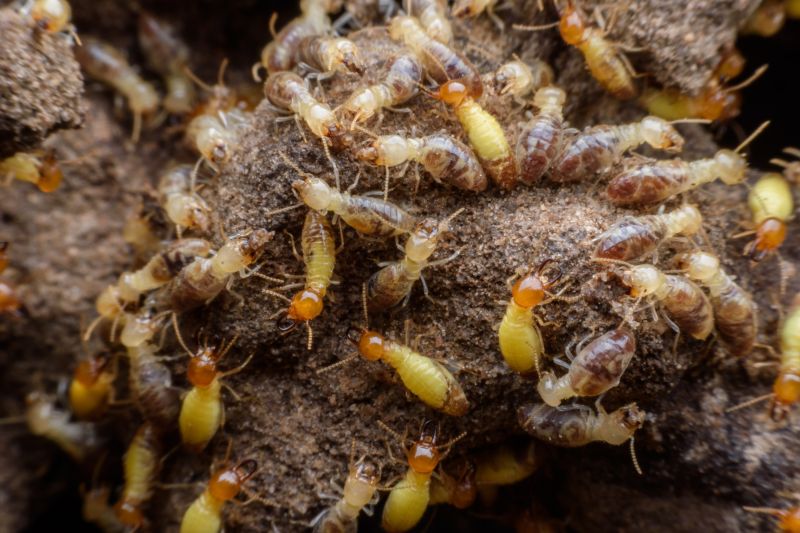
Termite inspection services are commonly sought by property owners who notice signs of potential pest activity, such as discarded wings or small holes in wood structures. Homebuyers often request inspections before purchasing a property to identify any hidden issues that could lead to costly repairs down the line. Additionally, homeowners may look for regular inspections as part of ongoing property maintenance or after experiencing previous infestations, aiming to catch problems early and prevent extensive damage.
Local contractors specializing in termite inspections are equipped to assess both residential and commercial properties for signs of infestation. Property owners might seek these services when planning renovations, preparing for real estate transactions, or simply wanting peace of mind that their structures are free from termites. Connecting with experienced service providers ensures that inspections are thorough and that any necessary treatments or recommendations are based on accurate assessments.
What does a termite inspection include? A termite inspection typically involves a thorough examination of the property’s foundation, walls, and accessible areas to identify signs of termite activity or damage.
How often should a termite inspection be performed? It is recommended to have a termite inspection conducted annually to help detect any new infestations early and maintain property protection.
What are common signs of a termite infestation? Signs include mud tubes on walls or foundations, discarded wings near windows or doors, and wood that sounds hollow or is damaged upon inspection.
Can a termite inspection be done on a vacant property? Yes, termite inspections can be performed on vacant properties to assess the presence of termites before or after occupancy.
How do local contractors determine if treatment is necessary? Contractors evaluate the extent of termite activity, damage, and the property’s construction to recommend appropriate treatment options if an infestation is found.
Preventive Maintenance - Regular termite inspections can help property owners catch early signs of infestation before significant damage occurs.
Property Purchase Checks - Homebuyers can schedule inspections to assess potential termite risks during the purchasing process.
Post-Construction Evaluation - New construction projects may require inspections to ensure no termites have affected the property during building.
Ongoing Property Care - Routine inspections can be part of a regular maintenance plan to protect long-term property value.
If you are thinking about Termite Inspection Service for a property, this guide is meant to help you understand the work, the typical project types, and how different options might fit your plans.
When you are ready, you can use the quote form on this page to share a few details about your project. From there, local pros can review the basics and respond with options that match what you have in mind.